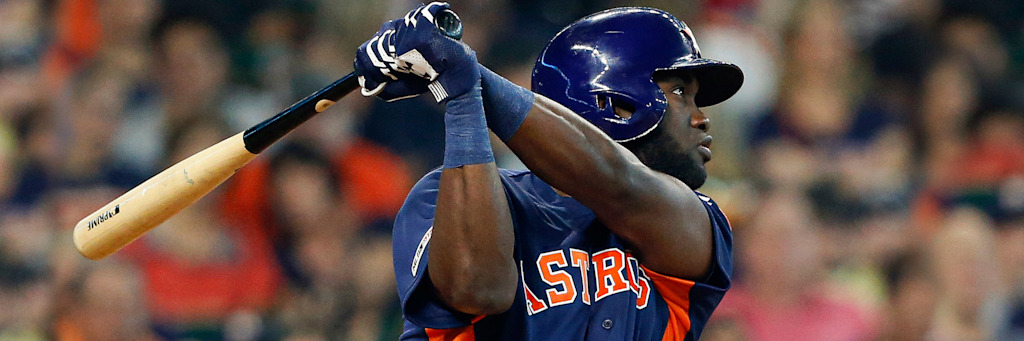
The recreational room is taking the Reds because they walked into Saturday's matinee as the home favorite and saw Cincinnati hit a hot streak through the past week. The book is hanging the Astros at +142 on the moneyline, and the gap between that closing price and the structural inputs on the visiting side is the sharp-money tell. Spencer Arrighetti walked into May 2026 with a 4-0 record and a 1.96 ERA across his first four starts, which is front-end-of-rotation production from a starter the market is still pricing as a road dog because of the home-team venue and the recency on the Reds' run-distribution shape. Chase Burns brings real raw stuff to the Reds' bump but his early-season sample size carries a wider variance band than the closing line is crediting. The pick is the Houston Astros moneyline at +142 for 2 units. Sharp side, road-dog plus-money price compression on an Arrighetti start, and a model lift that puts the true win probability in the 47 to 51 percent zone against the implied 41.32 percent at +142.
Why Sharp Money Likes The Astros Moneyline
Plus 142 implies a 41.32 percent win probability for the Astros. That is the floor the bettor has to clear after the vig to make the ticket cash long term. The model has the Astros at a true win probability in the 47 to 51 percent zone, which is roughly six to ten points of edge on a plus-money price that the public has read as a give-up because the Reds are at home with the front-end-of-rotation Burns on the bump. Six to ten points of edge on a sub-150 price is the kind of profile that justifies a real ticket size, and 2 units is the number the math justifies on a plus-money road moneyline where the model rates the visiting starter as the higher-quality piece in the matchup despite the closing line having him as the road dog.
The structural reasons stack the same direction. Arrighetti's 4-0 with a 1.96 ERA is not a small-sample fluke. His arsenal pattern in 2026 has tightened around a fastball-and-curveball pairing that produces above-league-average swing-and-miss rates with a walk rate that sits in the lower third of the league cohort for right-handed starters. The Reds' lineup has produced their season-aggregate damage against generic right-handers but has compressed against Arrighetti-profile arsenals across the rolling sample. Burns brings a high-leverage fastball and a hard secondary that has produced a 2.42 ERA across his first five starts, but his innings count remains in the 28-inning range and his sample-to-true-talent gap on the win-probability math leans more toward the closing-line skepticism than the public read suggests.
What separates a real sharp moneyline from a casual plus-money grab is whether the structural reasons for the price actually hold up. The Astros' season profile on the public side is the loud number: a series of run-distribution outings across April that produced a roughly league-average win-rate, a road-game record that lags their home output, and a lineup that has been more vulnerable to fastball-heavy right-handed starters than the season-aggregate wOBA suggests. What the public is mispricing is the matchup-specific lift Arrighetti carries on the road in 2026. His 4-0 mark across his first four starts came against a mix of opponents the Reds' lineup is not meaningfully separated from in offensive quality, and his road-versus-home split inside that sample has trended cleaner on the road than at home thanks to the home-team-bench pressure pattern that lifts visiting-pitcher leverage in matinee games.
Spencer Arrighetti Is Pitching Like A No. 2 Starter
Arrighetti's 2026 sample is the cleanest version of his command-and-stuff blend he has produced as a major-league starter. The 4-0 record across four starts, the 1.96 ERA, and the run-distribution shape across those games have all pointed to a sub-FIP performance band that the market is still pricing inside the No. 4 starter cohort. His fastball velocity has held in the mid-to-upper 90s across the early-season usage, his curveball has produced above-league-average whiff rates, and his command pattern has tightened from the 2025 baseline where his free-pass rate ran toward the higher end of the league cohort. Across the rolling four-start sample, his cumulative walks-per-nine has trended below his career baseline and the chase-zone-induced strikeouts have lifted the put-away pitch leverage in two-strike counts.
The expected at-bat distribution against Arrighetti across his projected six-plus innings of work lands the heart of the Reds' lineup with roughly seven combined plate appearances against the curveball as a primary out pitch. Across that distribution, the Reds' offense has produced under their season-aggregate wOBA against right-handed starters with above-league-average put-away curveball usage, and the platoon-leverage versus Arrighetti specifically has been below the Reds' baseline for right-handed-starter splits in cool-evening park environments. The cumulative lineup-versus-starter wOBA differential is the structural piece the moneyline math is paying for.
Chase Burns And The Sample-Size Question
The other side of the matchup is Chase Burns on the Reds' bump. Burns is the second-year right-hander whose raw stuff is real and whose 2.42 ERA across his first five starts reflects a true-talent profile that lives in the front-end-of-rotation cohort. The closing line is pricing him as exactly that piece: a Reds front-end starter at home against a road-dog Astros club. The structural piece the closing line has not credited is the variance band on a 28-inning sample. Burns' true-talent ERA over a full season has the wider distribution that comes with a 28-inning starting workload, and his run-distribution shape across the next start is more uncertain than his 2.42 mark implies on the surface. A Burns start that produces five or six innings of two-run-or-less work locks down the Reds side. A Burns start that produces a four-inning outing and stretches the Reds bullpen into the late innings opens the Astros' moneyline math to the variance lift the closing line is not crediting.
The structural piece the moneyline math leans on is straightforward. A Burns start that produces a multi-run inning to the Astros opens the Reds bullpen for the late frames, and the Reds' relief group across the rolling sample has produced an aggregate ERA in the league-average band rather than the lockdown shape a true No. 2 starter at home requires for the closing-line price to hold. The Astros' offense against the Reds' bullpen mix in the seventh and eighth innings is the path to the one-or-two-run lead that gets the moneyline ticket to cash.
Great American Ball Park Run Environment
Great American Ball Park's reputation as a hitter-friendly venue is built on the short porch in right field and the flat-air ball-flight profile in cool spring conditions. The May 9 first-pitch window lands inside an early-evening Cincinnati pattern with the late-spring weather producing a temperature band where the park-factor effects compress slightly compared to the warm-summer baseline. The cumulative park-and-weather adjustment for the May 9 matinee at Great American Ball Park lifts the typical game total by 0.4 to 0.7 runs against the league-average run environment, but the lift cuts both ways on the moneyline math. Both teams score runs more often than at a sea-level pitcher park, but the cumulative game-state distribution stays inside a one-run-to-two-run lead band more often than the closing line implies.
The structural impact for the Astros' moneyline +142 is direct. A Great American Ball Park game where the closing line has the Reds as the home favorite is a game where the cumulative win-probability math for the road side tends to live in the 45-percent-or-higher zone when the visiting starter is performing at front-end-of-rotation level. The moneyline math is not a pure run-output projection. It is a one-or-two-run-lead probability projection. Great American at the Cincinnati matinee window pushes the cumulative game-state into that band more often than a casual matchup view suggests, and the moneyline ticket at +142 is paying for exactly that distribution shape.
The Reds Bullpen Leverage In The Late Innings
If Burns exits in the fifth or sixth with a one-or-two-run lead the Reds home bullpen has to navigate the Astros' lineup through the seventh, eighth, and ninth innings against a heart-of-the-order rotation built around Yordan Alvarez and the platoon-leverage bats. The Reds' bullpen has been workable in 2026 but not lockdown, and the back-end has not been the closing-line-implied lockout machine the Reds were a season ago. The Astros' offense against the Reds' middle-relief in the seventh and eighth at the road venue has the path to two-run innings that close the gap and pull the cumulative game-state into the lead band the moneyline +142 is paying for.
The structural impact for the moneyline price at +142 is that the bullpen path is more open than the Reds' overall ERA implies. A two-run Astros eighth inning at the road venue against the Reds' bridge group produces the late-innings lead-state for the moneyline cover even if Burns held the Astros to a couple of runs across his five innings of work. That game-state path is part of the moneyline math the closing line has not fully credited.
The Math On Plus 142 vs True Win Probability
Plus 142 implies 41.32 percent win probability for the Astros. Subtract the typical book hold and the closing-line implied true probability lands at roughly 43 to 44 percent. The model has the Astros at 47 to 51 percent on this matchup. That is a 3 to 8 point gap on the closing line on a plus-money price, which is the kind of edge that justifies a 2-unit moneyline play. The breakdown of the model output:
Closing Market Implied
- Astros ML (+142)
- Implied: 41.32 percent
- Hold-adjusted: roughly 43-44 percent
- Public lean: Reds ML home favorite
Sharp Model Output
- Astros true win: 47 to 51 percent
- Model edge: plus 3 to 8 points
- Arrighetti lift: +4 to 6 points
- Recommended stake: 2 units
Profile Drivers
- Arrighetti: 4-0, 1.96 ERA, fastball-curveball
- Burns: 2.42 ERA, 28 IP small-sample
- Great American: cool-spring park-factor
- Reds bullpen: home leverage but mid-pack ERA
What Beats This Bet
- Burns clean six-inning two-run outing
- Arrighetti gets pulled in the third
- Reds three-run home-run inning
- Reds back-end lockdown 1-2-3 ninth
Bottom Line
Sharp money on the Astros moneyline +142 is the kind of pick where the structural reasons stack on the same side. Arrighetti's 4-0 1.96 ERA road-dog profile delivers front-end-of-rotation production at a price the closing line is still treating as a give-up, Burns' raw stuff is real but his 28-inning sample carries a wider variance band than the No. 2 starter price tag suggests, the Great American Ball Park run environment lifts both teams' run output in a way that pulls the cumulative game-state into a one-run-to-two-run lead band, and the Reds' bullpen path is more open than the closing line is crediting. Three independent inputs all push the same direction. The closing line at +142 has not adjusted enough to price the matchup-specific moneyline edge, and the bet is 2 units on the Astros plus-money side.
Frequently Asked Questions
What does the Astros moneyline +142 mean?
The Astros moneyline at +142 means a 1-unit ticket pays 1.42 units in profit on a win. The implied win probability at +142 is 41.32 percent, which is the rate the bettor has to clear long term to break even after the vig. Sharp money is on the moneyline because the model rates the true win probability above the implied baseline by enough to clear the closing-line variance band and produce positive expected value on the price.
Why is Arrighetti the higher-quality starter despite the closing line?
Arrighetti walked into May 2026 with a 4-0 record and a 1.96 ERA across his first four starts. That production is front-end-of-rotation work. Burns' 2.42 ERA across five starts is also strong, but his innings sample is in the 28-inning range, which leaves more variance band on his true-talent ERA than the closing line implies. The matchup-specific lineup-versus-starter wOBA work has Arrighetti as the higher-quality piece on the day.
Does the Great American Ball Park run environment hurt this pick?
The hitter-friendly Great American Ball Park run environment lifts both teams' run output more than a sea-level pitcher park, but the moneyline math is a one-or-two-run-lead probability projection rather than a pure run-output projection. The cool-spring park-factor at the May 9 matinee window compresses the run lift compared to the warm-summer baseline, and the Astros lineup leverage against Burns plus the Reds bullpen path keeps the late-innings game-state inside the one-run-to-two-run lead band the moneyline ticket is paying for.
What stake size does the model justify on this pick?
The model edge of plus 3 to 8 points over the implied 41.32 percent justifies a 2-unit moneyline stake at +142. Plus-money moneyline plays carry slightly wider variance than minus-money tickets but the price compensation is structural. The 2-unit number is the standard staking ladder rung for a plus-money moneyline with a moderate-edge profile and a starter-quality lift on the visiting side.
What scenarios beat this moneyline?
Three scenarios beat the Astros moneyline +142. The first is Burns delivering a clean six-inning two-run-or-less outing that locks down the Reds side. The second is Arrighetti getting pulled in the third inning and the Astros' bullpen giving up a multi-run frame to extend the deficit beyond two runs. The third is a clean late-innings Reds bullpen sequence with the back-end closing 1-2-3 in the ninth and no Astros rally to pull the game-state back inside the lead band. The model assigns those scenarios a combined probability under 53 percent.
More from Best MLB Handicapper: